If you’re building a new home, remodeling, or installing a new HVAC system in California, you’ve probably heard your contractor or local building department mention Title 24 and HERS Testing. For most homeowners (and even some builders), these terms are confusing. Many people mix them up or think they’re the same. But in reality, they’re two very different steps that work together to make sure your home uses energy efficiently and meets California’s strict standards. At 5 Star Energy, we specialize in guiding homeowners, builders, and contractors across California through both Title 24 and HERS requirements.
Whether it’s creating the right compliance documents or performing the needed tests, we handle it all so your project moves forward without stress. Here’s an in-depth look to help you finally understand the real difference between Title 24 and HERS Testing—and why both are so important.
What Exactly is Title 24?
Title 24 is short for Title 24, Part 6 of the California Code of Regulations. It’s basically California’s official energy code for buildings. These rules cover how homes and businesses should be designed and built so they use energy wisely. Title 24 rules control things like how much insulation your walls and attic need, the types of windows and glass doors you install.
The efficiency of your heating and air conditioning systems, lighting requirements including energy-saving bulbs and controls, and even details like water heater efficiency and ventilation fans. The purpose of Title 24 is simple: reduce energy waste, lower greenhouse gas emissions, and help Californians save on utility bills.
Where Title 24 Fits in Your Project
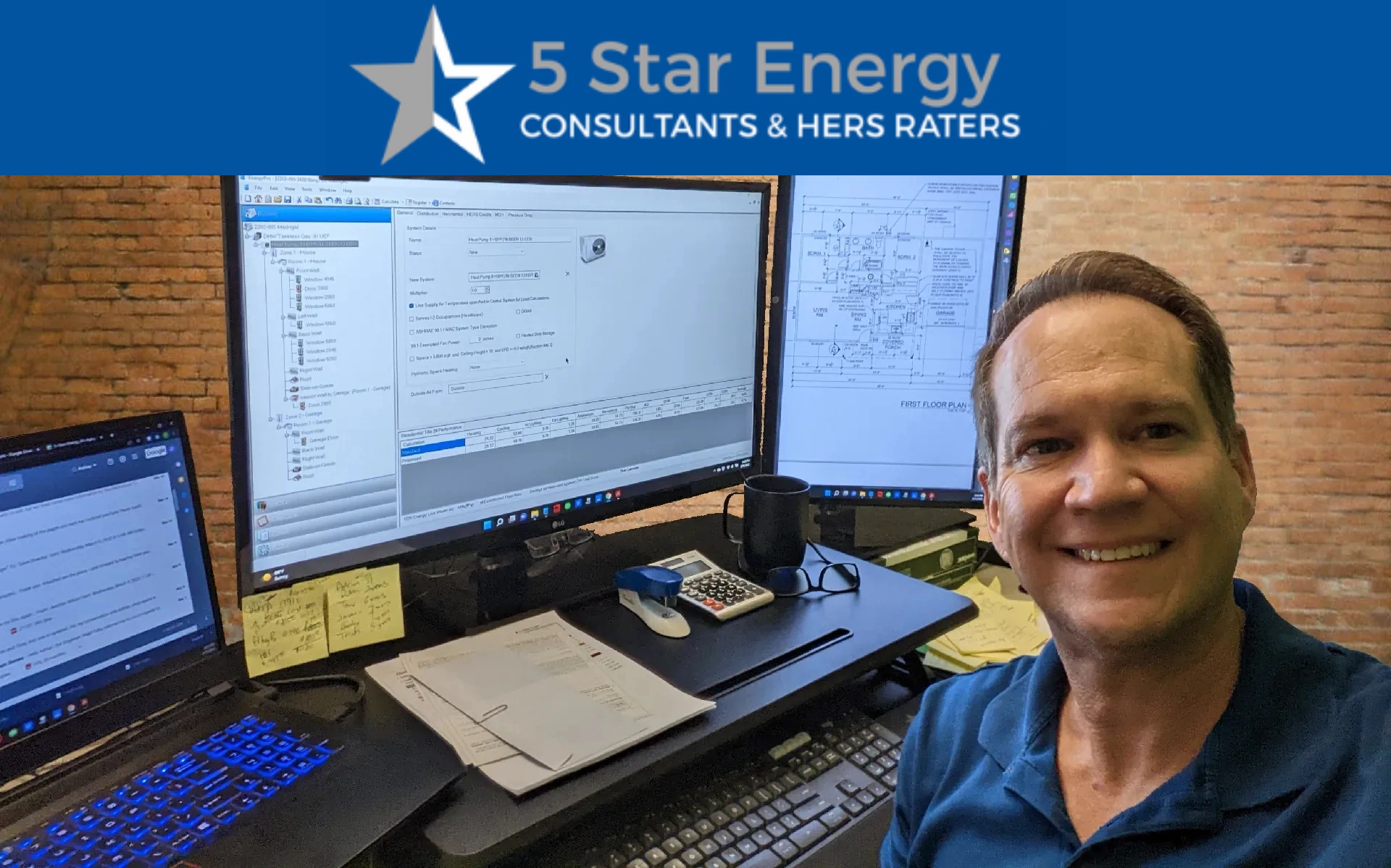
If you’re building a new house, adding a major addition, or sometimes even doing a big remodel, the local building department will require a Title 24 energy report, also called a Title 24 compliance report. This is a detailed document prepared by an energy consultant—like our team at 5 Star Energy—who uses software to model how much energy your planned building will use. The consultant checks: does the planned insulation meet code? Are the windows efficient enough? Is the HVAC system sized and rated correctly? The Title 24 report proves your plans follow California’s energy standards.
It’s typically submitted before construction starts, so the building department can review and approve your permit. Without it, your project simply can’t move forward.
What is HERS Testing?
Once your building or system is actually installed, California wants to make sure it doesn’t just look good on paper—it needs to work right in real life. That’s where HERS Testing comes in. HERS stands for Home Energy Rating System. HERS raters are specially certified inspectors who come to your job site and perform tests to verify everything was installed correctly and is performing to code.
For example, a HERS rater might test for duct leakage, making sure your ductwork isn’t losing cool or warm air into your attic or crawlspace. They might also check refrigerant charge to see if your AC unit has the proper amount of refrigerant for maximum efficiency. They look at airflow to make sure your system delivers enough air to different rooms. They may measure fan watt draw to confirm your fans aren’t using too much power. They also can perform quality insulation installation inspections (QII) to look at how well your insulation was actually installed.
If the system passes these tests, the rater files the results with California’s energy database (CHEERS or CalCERTS) and gives you and your contractor a certificate of compliance. This is often required by the building department before you can get your final permit signed off.
The Simple Difference: Plans vs. Proof
Title 24 and HERS Testing work together, but they’re completely different steps. Title 24 happens at the planning stage—your building plans are modeled by an energy expert to show they meet California code. It’s the promise your home will be efficient. HERS Testing happens at the construction completion stage—a certified HERS rater comes out and tests your actual home or HVAC system to make sure it was built and runs as promised.
It’s kind of like baking: Title 24 is the recipe that says you’ll use healthy, energy-saving ingredients. HERS Testing is tasting the cake at the end to prove it turned out right.
Why These Requirements Are Good for You
A lot of homeowners get annoyed by all the paperwork and testing, but in the long run, these rules actually protect you. Here’s how. Lower energy bills: homes that pass Title 24 and HERS Testing typically have better insulation, more efficient systems, and less wasted air. This means your heating and cooling costs drop. Over time, that saves you thousands. More comfort: proper airflow, sealed ducts, and balanced refrigerant levels mean your house stays at the temperature you want, with fewer hot or cold spots.
Protects your investment: if your ducts leak or your insulation is poorly done, you might have to pay to fix it later. HERS Testing catches these problems before you start living with them. Helps the environment: California is serious about cutting energy use and greenhouse gases. These standards make sure every home does its part.
The Financial Side: Why Hiring the Right Company Matters
Not all Title 24 consultants or HERS raters are the same. Choosing a knowledgeable, responsive company like 5 Star Energy makes a huge difference. We work directly with builders and homeowners to keep your project on track. Get permits approved faster: with accurate Title 24 reports, your plans glide through local building departments.
Avoid costly re-tests: if the first HERS test fails because of missed details, it can delay your final inspection and cost extra. We help catch these issues early. Bundle your services: because we handle both Title 24 energy modeling and HERS Testing, you deal with one expert team instead of juggling multiple companies.
FAQs: Quick Answers for Homeowners & Builders
Q: Do I always need both Title 24 and HERS Testing? A: For most new homes and additions that involve HVAC, yes. Title 24 is almost always required for building permits. If your project affects heating, cooling, duct work, or major insulation, HERS Testing will be needed at the end.
Q: How long does a Title 24 report take? A: Usually about 2-4 days, depending on the complexity of your plans. At 5 Star Energy, we often turn them around even faster.
Q: How long does HERS Testing take? A: The on-site test typically takes 1-2 hours, depending on your systems. We usually file reports the same day or by the next day.
Q: What if my project fails a HERS test? A: We’ll explain exactly what needs to be fixed so your contractor can correct it. Then we’ll come back for a re-test to get you approved.
Q: Can you work directly with my contractor? A: Absolutely. In fact, we handle most of the details behind the scenes with your builder so you don’t have to worry about it.
Why Choose 5 Star Energy?
At 5 Star Energy, we’ve helped thousands of homeowners and builders across California complete their Title 24 reports and HERS Testing without headaches. We combine deep technical knowledge with friendly service. When you w
…
Need help with Title 24 compliance for your project? Contact 5 Star Energy at (530) 275-3350 for a free consultation.